







Introduction
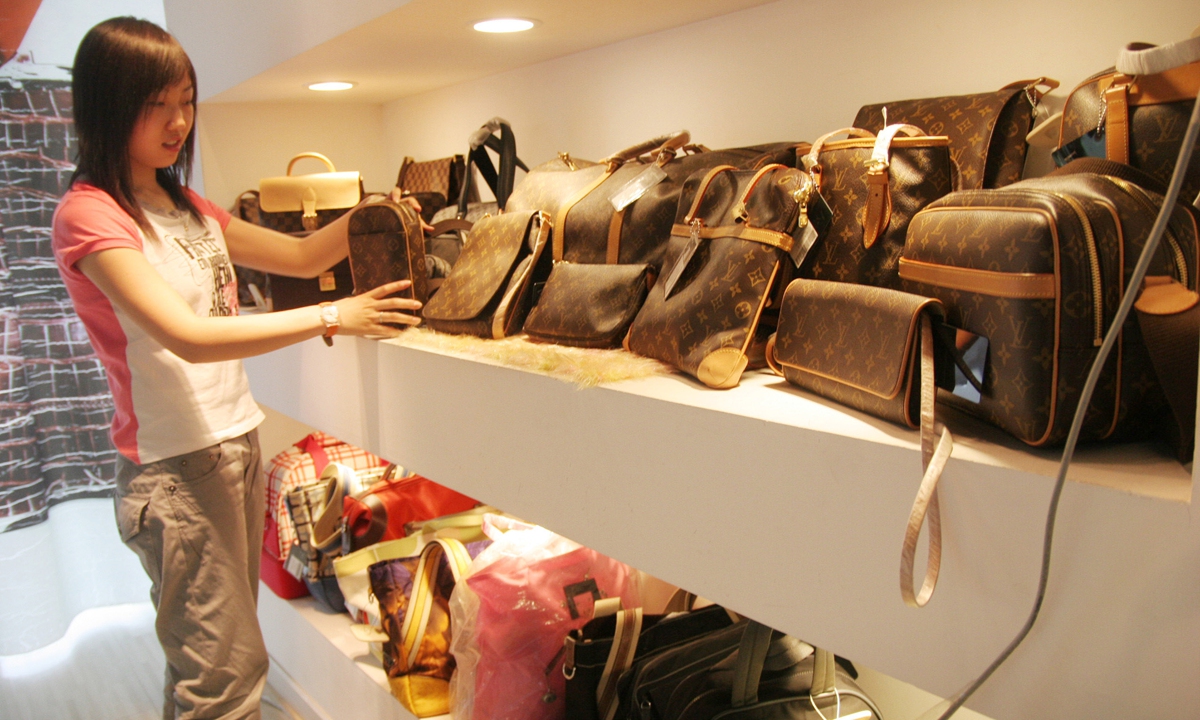
The luxury market is undergoing a significant transformation, with second-hand luxury goods gaining prominence. Once considered a niche segment, the resale market for pre-owned luxury items has evolved into a mainstream force, driven by changing consumer preferences, sustainability concerns, and the rise of digital platforms.
The Growth of Second-Hand Luxury Goods
Market Expansion
-
Valuation and Projections: The global second-hand luxury goods market was valued at approximately $34.39 billion in 2023 and is projected to reach $60.55 billion by 2029, growing at a compound annual growth rate (CAGR) of about 10% Business Wire.
-
Consumer Shift: A significant driver of this growth is the shift in consumer behavior, with more individuals opting for pre-owned luxury items due to affordability and sustainability considerations.
Factors Contributing to Growth
-
Sustainability Awareness: Consumers are increasingly aware of the environmental impact of fast fashion and are turning to second-hand luxury goods as a more sustainable alternative.
-
Digital Platforms: Online resale platforms like The RealReal, Vestiaire Collective, and ThredUp have made it easier for consumers to buy and sell pre-owned luxury items, expanding the market’s reach Vogue Business.
-
Authenticity and Quality: Advancements in authentication technologies have bolstered consumer confidence in purchasing second-hand luxury goods, ensuring quality and authenticity.
Consumer Behavior and Demographics
Younger Consumers Driving Demand
-
Generation Z and Millennials: These demographics are at the forefront of the second-hand luxury market, valuing unique pieces and sustainability over traditional notions of luxury Financial Times.
-
Investment Perspective: Many consumers view high-quality pre-owned luxury items as investments, with certain pieces appreciating in value over time.
Changing Perceptions of Luxury
-
Access Over Ownership: There is a growing trend of valuing access to luxury experiences and items over ownership, influencing the demand for second-hand goods.
-
Social Media Influence: Platforms like Instagram and TikTok have amplified the appeal of second-hand luxury items, with influencers showcasing their finds and promoting sustainable fashion choices.
Challenges and Considerations
Market Fragmentation
-
Platform Diversity: The proliferation of various resale platforms can create a fragmented market, making it challenging for consumers to navigate and for sellers to reach their target audience.
-
Standardization Issues: Inconsistencies in pricing, grading, and authentication processes across platforms can lead to consumer confusion and mistrust.
Brand Perception
-
Luxury Brand Hesitation: Some traditional luxury brands are cautious about associating with the second-hand market, fearing it may dilute their brand’s exclusivity.
-
Evolving Strategies: However, brands like Gucci-owner Kering are exploring cost-cutting measures and rebranding efforts to adapt to changing market dynamics Financial Times.
The Future Outlook
Integration with Traditional Luxury
-
Collaborative Models: There is potential for collaboration between traditional luxury brands and resale platforms, allowing brands to maintain control over their products while tapping into the growing second-hand market.
-
Circular Economy Initiatives: Brands can implement take-back programs and refurbishing services to promote a circular economy and extend the lifecycle of their products.
Technological Advancements
-
Blockchain and NFTs: The integration of blockchain technology and non-fungible tokens (NFTs) can enhance product traceability and authenticity in the second-hand luxury market.
-
AI and Data Analytics: Artificial intelligence and data analytics can improve inventory management, pricing strategies, and personalized recommendations for consumers.
Conclusion
The second-hand luxury goods market is poised for continued growth, driven by changing consumer behaviors, technological advancements, and a shift towards sustainability. As the market evolves, both consumers and brands must navigate the opportunities and challenges it presents to ensure a thriving and responsible luxury ecosystem.