







Introduction
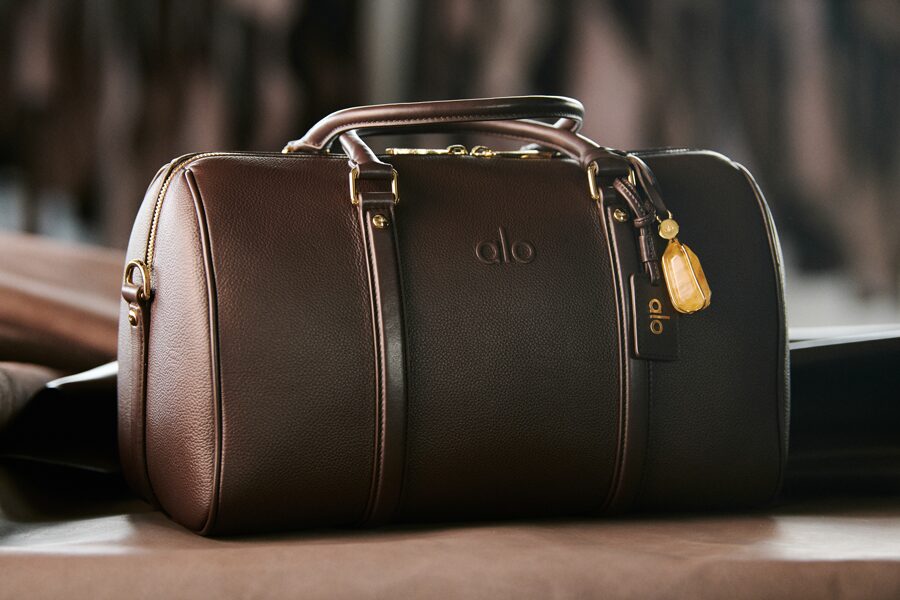
Alo, best known for its athleisure wear and wellness branding, is making a bold move: launching an Alo handbag line made in Italy, with pricing from $1,200 to $3,600. Vogue Business asks: would you carry one? (Vogue Business)
This shift is more than product expansion—it’s a case study in how lifestyle brands evolve into bona fide luxury players. In this article for Luxe Chronicle, we explore:
-
What the Alo handbag launch signals about luxury and brand evolution
-
The strategic risks and advantages Alo is banking on
-
Broader implications for the intersection of wellness and luxury
-
What this means for consumers and competing brands
The Alo Handbag Strategy: What You Should Know
Alo’s CEO Danny Harris outlines a compelling narrative behind the move. Key details:
-
The line will debut with three styles, available for pre-order on 9 September, and pickup in 23 flagship “sanctuaries” including Beverly Hills, SoHo NYC, London Regent Street, and Aspen.
-
Bags will also be sold through a concierge experience separate from the usual Alo e-commerce site.
-
Each handbag features design cues nodding to Alo’s athletic roots (sleek lines, functional inspiration) and will include a crystal charm for personalization.
-
Alo will produce certain colors in limited quantities (some once only), and plans annual price increases to maintain scarcity.
-
The handbags are manufactured in Florence, Italy—a clear signal of craftsmanship and heritage positioning.
Harris frames the decision as a natural progression: as wellness becomes luxury, he believes Alo’s built audience will invest in this elevated category.
What Alo Gains—and Risks—by Venturing into Luxury
H3: Advantages & Strategic Levers
-
Built-in Community: Alo already has a wellness-oriented, loyal base that may be primed for premium purchases.
-
Brand Differentiation: In a saturated luxury handbag market, positioning via wellness and lifestyle gives Alo a narrative edge.
-
Scarcity & Exclusivity: By limiting supply and enforcing price increases, Alo mimics luxury brand tactics to preserve desirability.
-
Horizontal Expansion: The move allows Alo to cross into accessories, eyewear, fragrance, etc., tying them back to lifestyle identity.
H3: Challenges & Risks
-
Lack of Heritage: Alo does not have centuries of craftsmanship or legacy to rely on, unlike heritage houses.
-
Brand Perception Shift: Convincing consumers to accept a wellness brand as a creator of high-luxury handbags is not trivial.
-
Premium Price Sensitivity: Even among affluent customers, price expectations are high; payoffs must clearly reflect value.
-
Competition & Saturation: The handbag space is fiercely competitive, with giants like Chanel, Hermès, Louis Vuitton.
-
Authenticity vs Hype: If the product feels like marketing more than substance, backlash may emerge.
Why This Move Signals a Luxury Trend
Alo’s strategy reflects wider shifts in luxury:
-
Wellness + Luxury Convergence: The concept that health is the ultimate luxury is gaining traction. Alo’s tagline “Luxury is Wellness” directly leans into this.
-
Generation Z & Millennial Values: Younger consumers gravitate to brands that blend aesthetics, ethics, and identity.
-
Vertical Integration & Lifestyle Branding: More brands are collapsing the lines between apparel, accessories, experiences, and meaning.
-
Scarcity as Strategy: Limited editions, smaller runs, and deliberate constraints are now common in new luxury brand playbooks.
If you want to explore more about how wellness is reshaping luxury, check out our internal coverage on luxury + wellness trends at Luxe Chronicle.
What Consumers Should Ask Before Buying
-
Does the quality (material, stitching, finishing) match the proposed price point?
-
Does the brand deliver aftercare, servicing, and authenticity guarantees?
-
How does resale or value retention look for this new category?
-
Does the design and brand narrative align with personal identity—and is it compelling enough to replace heritage brands?
-
Are the handbags truly limited, or is scarcity being manufactured superficially?
Your decision to buy an Alo handbag may be more about what you believe luxury should be than what it has historically been.
Conclusion
Alo’s bold entry into luxury handbags is not just a product launch—it’s a gamble on evolving definitions of prestige, taste, and identity. Whether the Alo handbag will truly displace heritage icons or carve out its own niche remains to be seen. But what’s clear is how this move spotlights the shifting boundaries of luxury in 2025.
For further reading on luxury brand evolution, consumer trends, and market strategy, browse the in-depth articles at Luxe Chronicle.