






Introduction
Luxury fashion and hospitality are merging in new ways. The article “How the hotel boutique became fashion’s hottest stockist” describes how resorts and hotels are evolving from mere hosts into curated fashion retailers, offering hotel boutique fashion experiences that rival department stores. Vogue Business
In this write-up from Luxe Chronicle, we’ll examine:
-
The trend of hotels becoming luxury fashion stockists
-
Behind the strategy: benefits, challenges, and standout brands
-
The implications for fashion houses, hotel groups, and consumers
-
How brands can adapt in this shifting landscape
Why Hotels Are Becoming Fashion Stockists
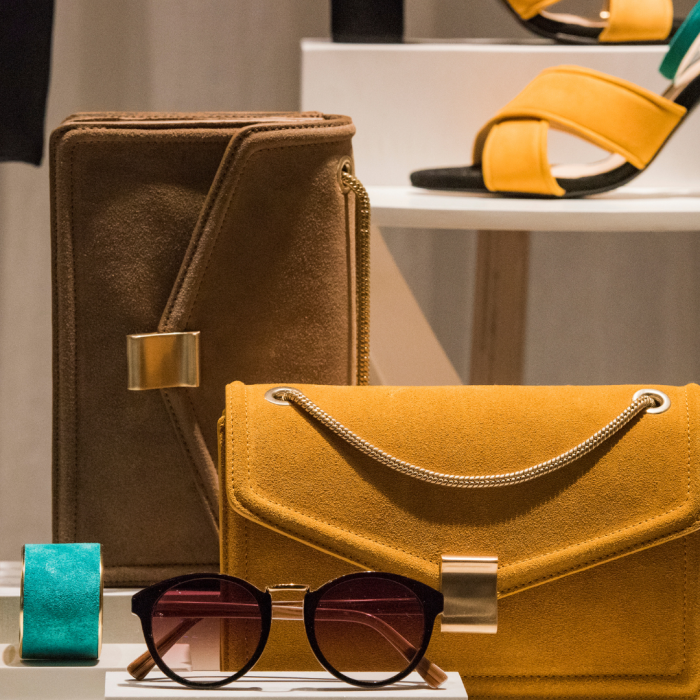
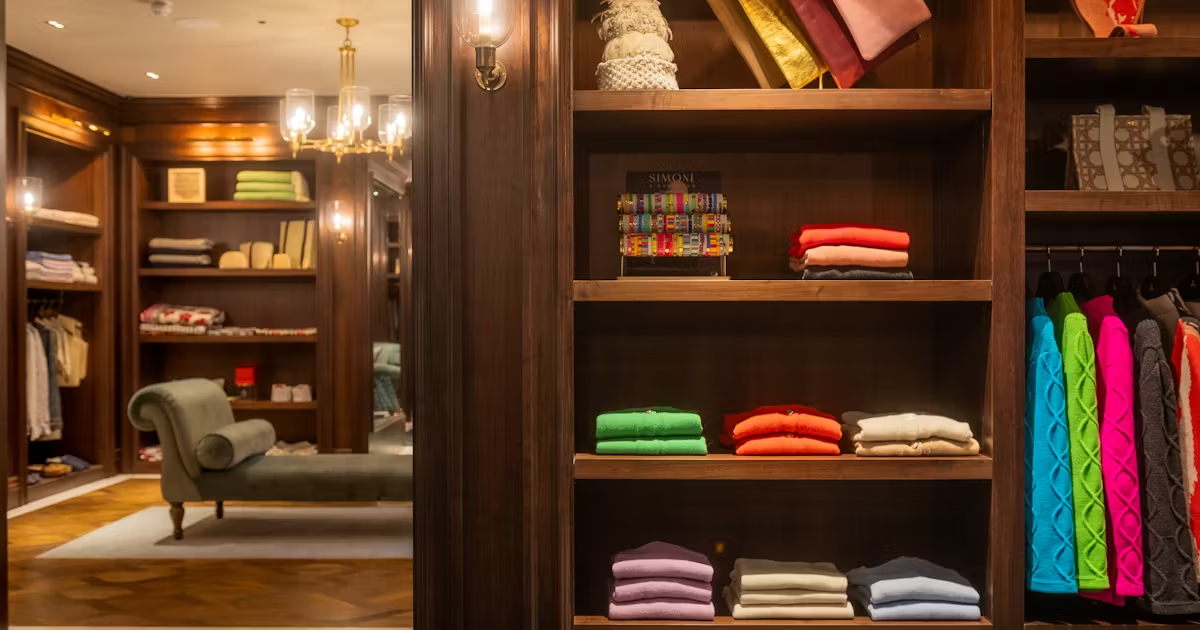
Hotel boutiques are no longer souvenir shops — they’re evolving into curated retail spaces aligned with brand identity, guest experience, and exclusivity. Some driving forces:
-
Captive, high-spending clientele: Guests already in luxury contexts are primed customers.
-
Discovery & storytelling: Travelers relish finding something unique they can’t get back home.
-
Wholesaling alternative: For digital-first or emerging brands without brick-and-mortar presence, hotel boutiques act as strategic wholesale partners.
-
Brand alignment: Hotels and fashion houses often share aesthetic and lifestyle values—collaborations make sense.
-
Exclusivity & location specificity: Property-exclusive capsules or color variants become coveted.
Some concrete examples: Hunza G’s sales via the Agora concept within Six Senses have outperformed major New York stockists.
Brands such as Sporty & Rich, Orlebar Brown, and Marrakshi Life are showing up in resorts from Ibiza to the Cayman Islands.
How Resort Retail Works (and What Makes It Different)
Hotel boutiques differ from department stores in key operational and strategic ways. Brands should understand these dynamics:
: Curated Assortment, Location by Location
-
Hotels don’t carry full seasonal breadth; they need tight, context-sensitive selections.
-
The climate, guest profile, local culture, and location all dictate product mix.
: Inventory & Timing Challenges
-
Resort retail often follows nontraditional calendars (beach season, holiday peaks) rather than fashion seasons.
-
Restocking logistics must match guest demand—it can be more dynamic than in a central flagship.
: Storytelling & Exclusivity
-
Many hotel boutiques do limited editions or property-exclusive variants that double as souvenirs and status items.
-
The boutique becomes part of the hotel’s narrative—guests feel the boutique is part of their stay, not an add-on.
: Collaboration & Activation
-
Hotels often host trunk shows, capsule launches, designer pop-ups, or content shoots, integrating retail and experience.
-
Shared branding, co-curation, and storytelling strengthen guest affinity.
Benefits & Risks for Brands and Hotels
: Upside for Brands
-
Footprint without a full store: Independent or digital brands can gain real retail presence without running full stores.
-
Brand discovery: Hotel retail is an organic discovery channel—guests often browse when inspired.
-
Credibility & prestige: Being stocked in select boutique hotels aligns you with a lifestyle of travel, exclusivity, and taste.
-
High yield & margin control: With curated, destination exclusives, brands can maintain higher margins.
: Risks & Operational Complexities
-
Inventory misalignment: Over or under stocking can hurt performance or cash flow.
-
Brand dilution: Poor hotel fit or wrong guest profile may harm brand perception.
-
Logistics & return complexity: Hotels are remote; returns, repairs, and servicing become trickier.
-
Mismatch of Aesthetic or Brand Values: The brand and hotel must align in ethos and style, or the synergy falls flat.
Strategic Recommendations for Fashion Brands
If your brand is considering hotel boutique fashion as a channel, here’s how to approach it:
-
Select hotels with matching brand values: A wellness resort, design hotel, or boutique luxury property may align better than generic chain hotels.
-
Customize for locale: Offer property-specific colorways, capsules tied to local culture, or regional references.
-
Maintain storytelling control: Provide brand narratives, lookbooks, content for the hotel boutique to share.
-
Plan responsive logistics: Be nimble with restocks, small batches, and guard inventory flexibility.
-
Collaborate on marketing: Co-host launches, trunk shows, and guest experiences to spotlight your brand.
You can read more about fashion channels and distribution strategies in our Luxe Chronicle article on emerging retail models.
What This Means for the Future of Luxury Retail
-
Hotel boutiques may soon rival flagship stores in importance for discovery, especially in resort contexts.
-
As department stores decline or struggle, alternative channels like resort retail, gallery boutiques, and experiential retail matter more.
-
The travel × luxury overlap deepens—retail becomes a part of the journey, not just a transaction.
-
Guest expectations for exclusivity, authenticity, and curated discovery will only heighten, making hotel boutique fashion a vital frontier for brand growth.
Conclusion
The rise of hotel boutique fashion marks a fascinating convergence of travel, luxury, and retail. For brands, it’s a chance to be discovered in a meaningful, context-rich environment. For hotels, it’s a way to extend brand identity into merchandise that complements the guest experience. As luxury retail evolves, the hotel boutique is becoming not just a shop—but a destination in itself.
To explore more on luxury retail innovation, brand distribution, and emerging channels, check out related posts on Luxe Chronicle.