






Introduction
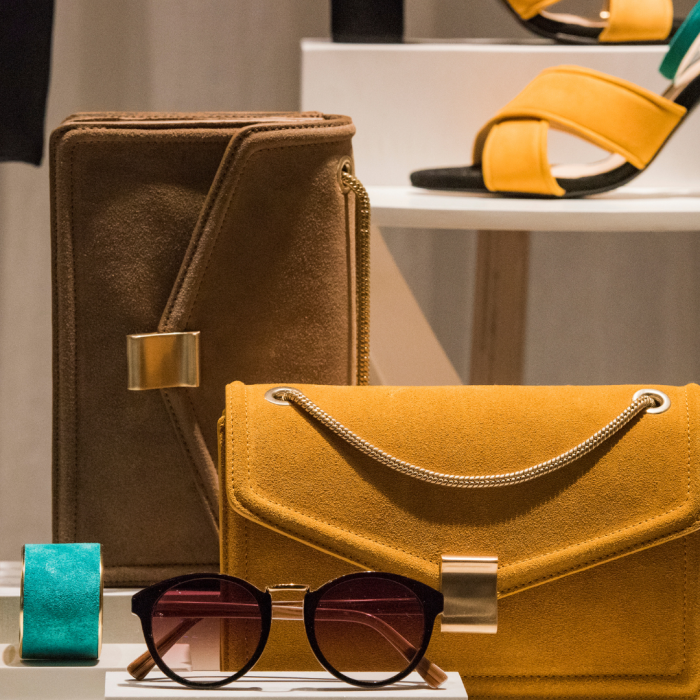
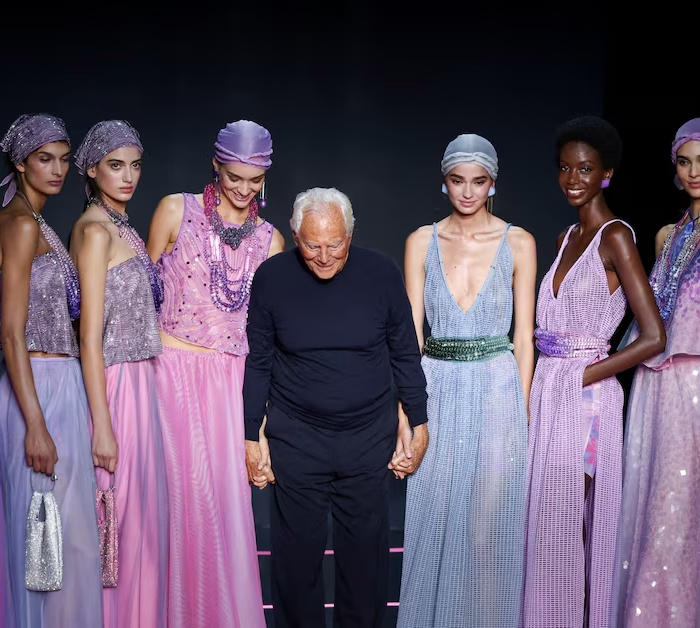
In 2025, luxury fashion brands are increasingly turning to craftsmanship as a central pillar of their identity and marketing strategies. This shift responds to consumer fatigue from overexposed celebrity endorsements and skepticism about product quality. Brands like Bottega Veneta, Loewe, and Zegna are emphasizing artisanal skills to communicate value and foster emotional connections with consumers.
The Resurgence of Craftsmanship in Luxury Fashion
Bottega Veneta’s “Craft is Our Language” Campaign
-
Campaign Overview: Bottega Veneta’s first campaign under new creative director Louise Trotter featured black and white images of hand gestures—forming hearts and handshakes—across cities like New York and Shanghai. The campaign spotlighted artisans and creative talents over overt branding.
-
Brand Philosophy: The focus on hand gestures allowed the brand to explore a universal, non-verbal language rooted in craftsmanship and connection, aligning with its ethos of discretion and depth without overt branding.
Loewe’s Commitment to Artisan Skills
-
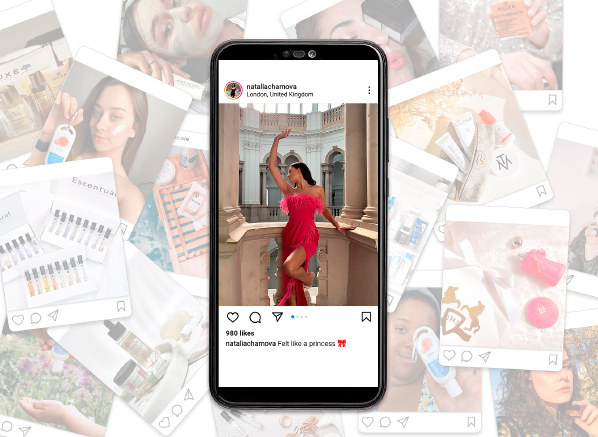
Social Media Engagement: Loewe has long leaned into the brand’s craftsmanship on social media, posting behind-the-scenes handbag ‘making of’ videos and hosting celebrity-led ‘truth or craft’ challenges.
-
Anniversary Celebrations: For the 10-year anniversary of the Puzzle bag, Loewe took this strategy offline, hosting events that showcased the intricate processes behind their products.
Zegna’s Heritage-Based Experiences
-
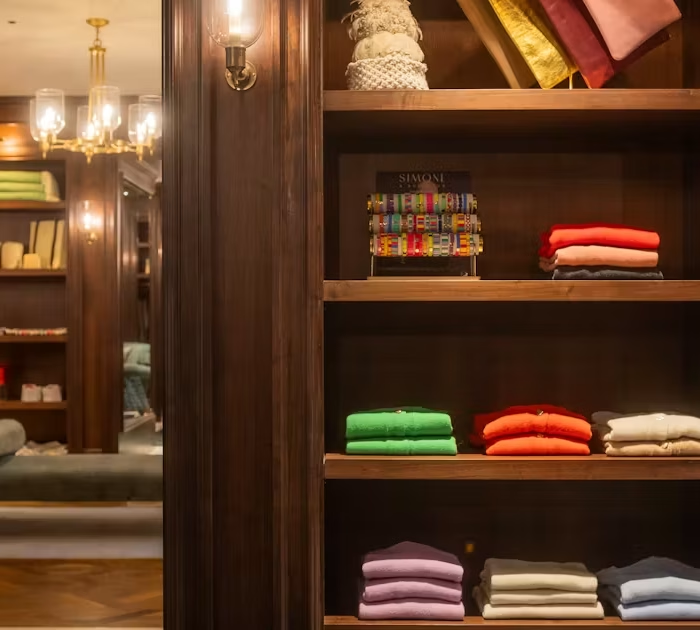
Brand Storytelling: Zegna emphasizes its heritage and artisanal skills through storytelling, live demonstrations, and heritage-based experiences to communicate value and foster emotional connection with consumers.
The Value of Craftsmanship in Consumer Perception
-
Authenticity and Transparency: Consumers are increasingly seeking authenticity and transparency in the products they purchase. Brands that highlight their commitment to craftsmanship can build trust and loyalty among discerning customers.
-
Emotional Connection: Craftsmanship allows brands to tell compelling stories that resonate emotionally with consumers, creating a deeper connection beyond the product itself.
The Risks of “Craftwashing”
-
Superficial Marketing: Experts warn against superficial marketing or “craftwashing” by brands without a genuine history in artisanal excellence. Consumers can discern when brands are merely appropriating craftsmanship for marketing purposes without a true commitment to the craft.
-
Brand Integrity: To legitimize their claims, brands like Bottega and Loewe are nurturing future talent through training programs, positioning craft both as a marketing asset and a long-term investment in brand integrity.
The Future of Luxury Craftsmanship
-
Sustainability and Innovation: Brands are investing in sustainable practices and innovative techniques to preserve traditional craftsmanship while adapting to modern demands.
-
Cultural Significance: Craftsmanship is becoming a cultural touchstone in luxury fashion, with brands recognizing its importance in storytelling and brand differentiation.
Conclusion
The emphasis on luxury craftsmanship is reshaping the fashion industry, offering brands a way to reconnect with consumers through authenticity and emotional resonance. As the market continues to evolve, craftsmanship stands as a testament to quality, heritage, and the enduring value of human skill in luxury fashion.