






Introduction
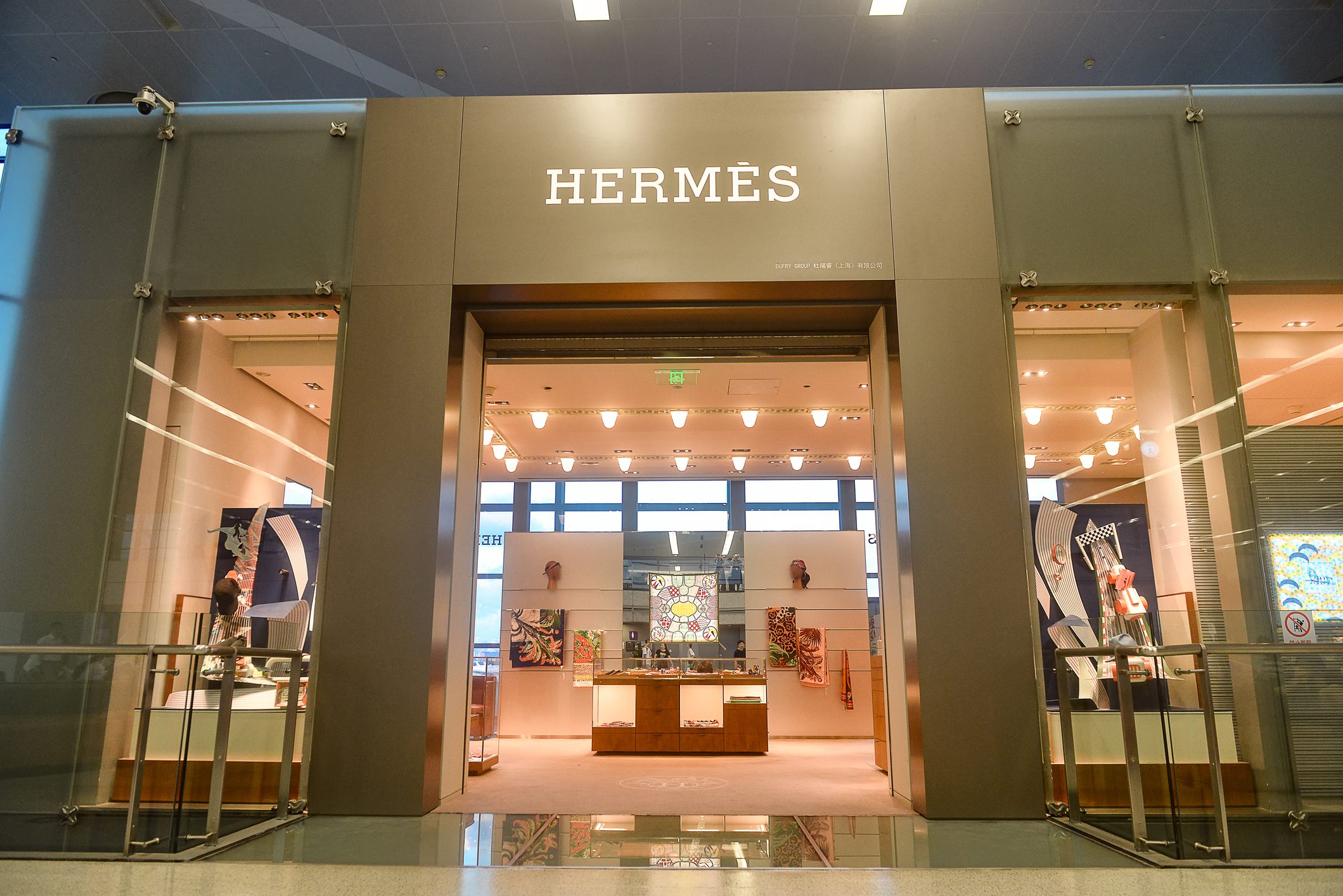
Hermès stands nearly alone in the ultra-luxury stratosphere, consistently defying market slowdowns, commanding pricing power, and maintaining a cult-like loyalty. The recent Vogue Business article “Can Anyone Replicate Hermès’s Success? (Ultra-Luxury)” delves into precisely how Hermès does it — and why copying that model is far harder than it looks.
In this article on Luxe Chronicle, we’ll unpack:
-
The pillars that sustain Hermès success in ultra-luxury
-
Challenges new and even established brands face trying to replicate it
-
Practical lessons brands can learn or adapt
-
What it means for the future of ultra-luxury
What Underpins Hermès Success
Hermès’s dominance is built on several deeply embedded strategies and values. These are what make Hermès success not just possible, but sustainable:
-
Heritage and Craftsmanship: Years of accumulated savoir-faire. Hermès maintains highly skilled artisan workshops, traditional techniques, and rigorous quality controls.
-
Scarcity & Controlled Supply: Hermès does not flood the market. Demand usually exceeds supply, which increases desirability and preserves exclusivity. Their iconic pieces — like the Birkin or Kelly bags — often come with long waiting lists.
-
Subtle & Authentic Marketing: Rather than flashy celebrity endorsements or aggressive social media campaigns, Hermès invests in narrative, emotional storytelling, product authenticity, and restraint in branding.
-
Pricing Discipline: Price increases are controlled, deliberate, and rarely arbitrary. Hermès acts with long-term value in mind, not short-term profit spikes.
-
Timeless Design Over Trends: Hermès avoids chasing fast trends. Its design aesthetics are classic, enduring. Ultra-wealthy customers prefer longevity and recognizability over what is momentarily fashionable.
Can Any Brand Truly Replicate Hermès Success?
While many brands try, experts suggest there are significant hurdles:
: Time & Legacy Cannot Be Bought
Building decades (if not centuries) of heritage, trust, and culture is not something that can be fast-forwarded. Hermès benefits from long continuity, ownership, and consistency.
: Balancing Exclusivity & Profit
-
If a brand tries to scale too fast, it risks diluting exclusivity.
-
If it prices too high without perceived value, customers might drift away. Hermès manages these levers carefully.
: Maintaining Quality at Scale
-
The artisan skill required for many Hermès pieces is extensive. Some products take dozens of hours to make.
-
Scaling craftsmanship without compromising quality is difficult and expensive.
: Consumer Perception & Emotional Engagement
-
Hermès’s appeal is emotional as well as material — stories, mystique, heritage, scarcity, and the intangible sense of owning something exceptional.
-
Newer brands may replicate techniques or materials but replicating the emotional resonance is harder.
Which Brands Attempting It & What They Do Differently
Several contemporary ultra-luxury or high-end brands are adapting parts of Hermès’s playbook:
-
Brunello Cucinelli: Emphasises slow growth, community, and craftsmanship.
-
The Row, Gabriela Hearst: Focus on exclusivity, emotional storytelling, artisan work.
These brands show that certain elements of Hermès success can be emulated, but usually with adjustments:
-
They often have less heritage, so storytelling must be built more convincingly.
-
Their price points or accessibility are often different, which can impact perception.
Lessons for Aspiring Ultra-Luxury Brands
If a brand aims to approach what Hermès success implies, here are practical takeaways:
-
Invest in craftsmanship, not just design. Prioritize quality, material sourcing, and skilled artisans.
-
Limit supply and retail expansion carefully. Avoid overexposure or diluting perceived value.
-
Maintain a consistent brand story and voice. Timeless design, subtle identity, emotional connection.
-
Be disciplined with price increases. Ensure increases are tied to cost, quality, or value, not just market trends.
-
Cultivate customer trust and exclusivity: waiting lists, special customer service, bespoke or “commandes spéciales” type offerings.
Implications for the Ultra-Luxury Market
-
The appetite for ultra-luxury continues to grow among high-net-worth individuals. Hermès’s year-on-year revenue increases reflect that.
-
Economic slowdowns tend to hurt mass luxury more; brands like Hermès that stay at the top tend to be more resilient.
-
As sustainability, quality, and authenticity gain importance, brands that follow Hermès’s model have an advantage.
Conclusion
Hermès success is built on a foundation of heritage, craftsmanship, restrained growth, emotional authenticity, and disciplined strategy. While no brand can simply lift and transplant all aspects of Hermès’s model, many can learn from its principles and adapt them to their context.
Ultra-luxury is a long game, not a sprint. Brands aiming to climb toward Hermès’s tier must understand that imitation may flatter, but genuine lasting success depends on depth, consistency, and trust.
For more insights into luxury brand strategies, heritage marketing, and how values like craftsmanship shape success, explore other articles at Luxe Chronicle.