






Introduction
In the competitive world of luxury branding, a brand’s visual identity is more than just its logo—it’s the essence of its story, values, and promise. As the luxury market evolves in 2025, understanding the components that constitute a strong visual identity is crucial for brands aiming to maintain exclusivity and appeal.
Core Elements of a Luxury Brand’s Visual Identity
A cohesive visual identity communicates a brand’s prestige and resonates with its target audience. Key components include:
-
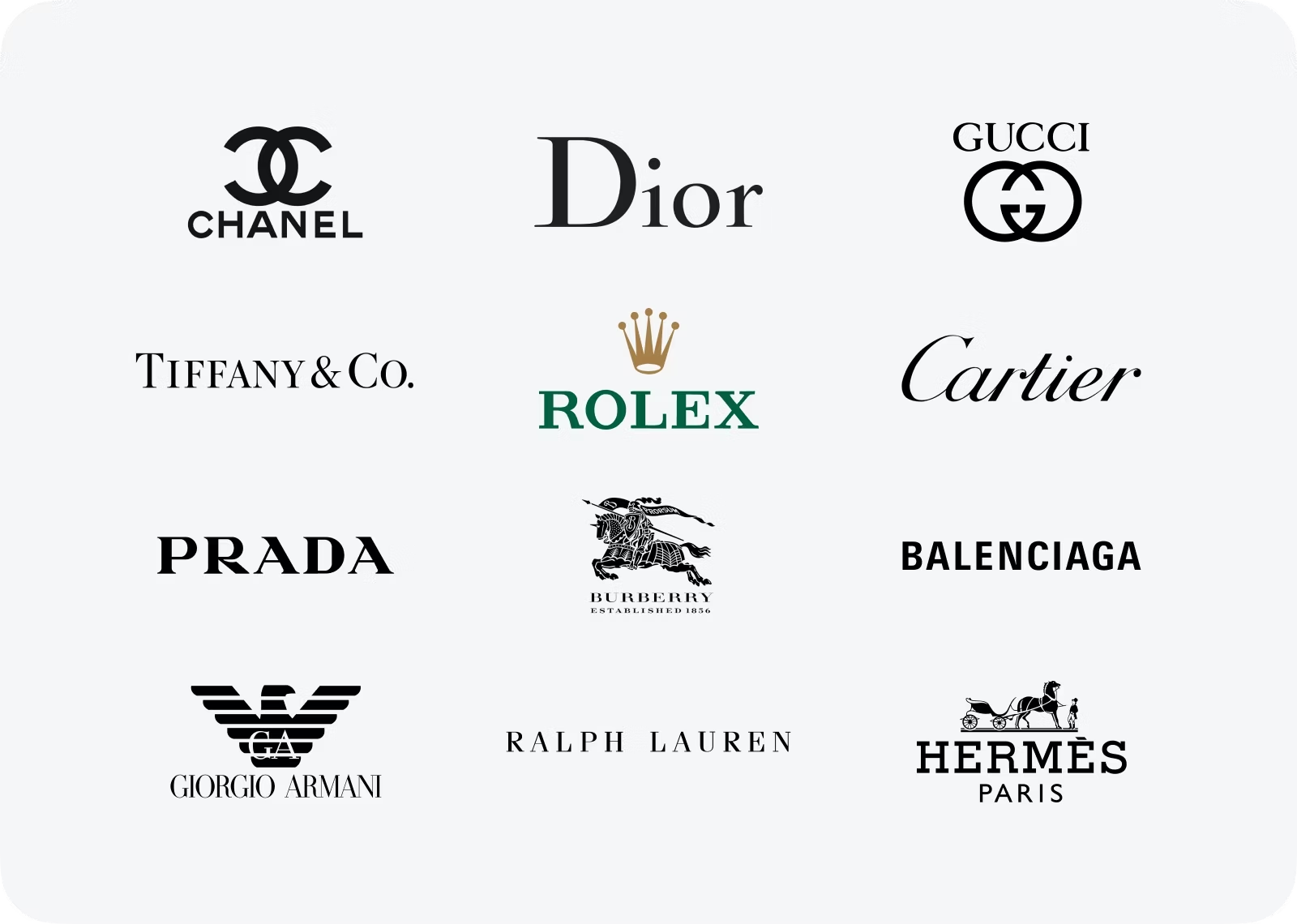
Logo Design: The logo serves as the cornerstone of brand recognition. For instance, Chanel’s interlocking “C” logo symbolizes elegance and timelessness.
-
Color Palette: Colors evoke emotions and associations. Luxury brands often use a limited, sophisticated color scheme to convey exclusivity.
-
Typography: The choice of fonts reflects a brand’s personality. Serif fonts often denote tradition and luxury, while sans-serif fonts can suggest modernity.
-
Packaging: High-quality, thoughtfully designed packaging enhances the perceived value of products.
-
Consistency Across Touchpoints: Maintaining uniformity across all brand materials—from websites to physical stores—reinforces brand identity.
The Role of Visual Identity in Brand Success
A well-crafted visual identity does more than attract attention; it builds trust and loyalty among consumers. Here’s how:
-
Differentiation: In a crowded market, a unique visual identity helps a brand stand out.
-
Emotional Connection: Consistent visual elements create a cohesive brand experience, fostering emotional connections with consumers.
-
Perceived Value: High-quality visuals and design elevate the perceived value of products and services.
-
Cultural Relevance: Adapting visual identity to resonate with cultural nuances can enhance brand appeal in diverse markets.
Case Studies: Iconic Luxury Brands and Their Visual Identity
-
Chanel: The brand’s minimalist logo and monochrome color scheme exude sophistication and timelessness.
-
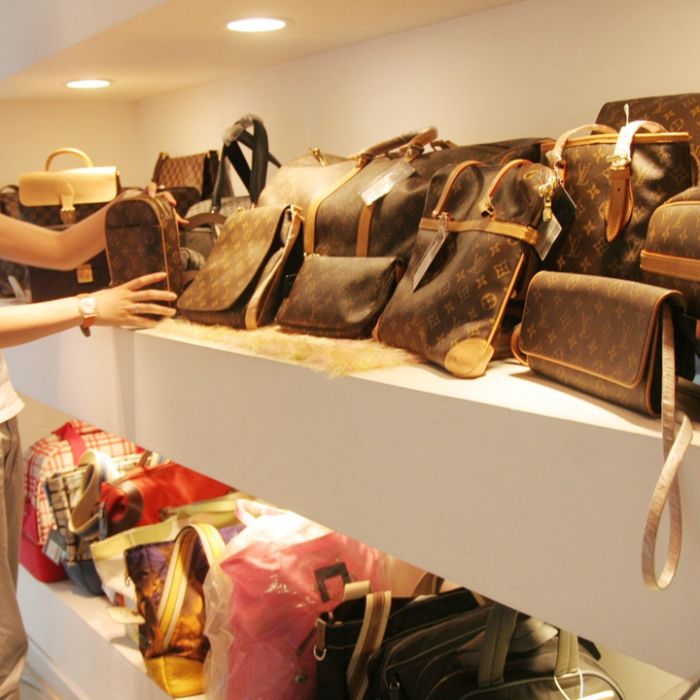
Louis Vuitton: The LV monogram and signature brown-and-gold color palette are instantly recognizable and signify luxury.
-
Hermès: Known for its orange packaging and equestrian-inspired logo, Hermès communicates heritage and exclusivity.
-
Aesop: This skincare brand utilizes minimalist design and apothecary-style packaging to convey authenticity and quality.
Trends Shaping Luxury Brand Visual Identity in 2025
-
Sustainability: Eco-friendly materials and designs are becoming integral to brand identities, reflecting consumer values.
-
Digital Integration: Brands are adapting their visual identities for digital platforms, ensuring consistency across online and offline channels.
-
Personalization: Customizable elements in branding allow consumers to feel a personal connection to the brand.
-
Heritage and Storytelling: Brands are emphasizing their history and craftsmanship through visual elements to build authenticity.
Conclusion
The visual identity of luxury brands is a powerful tool that communicates a brand’s essence and sets it apart in a competitive market. By focusing on design elements that reflect the brand’s values and resonate with consumers, luxury brands can build lasting impressions and sustained success.